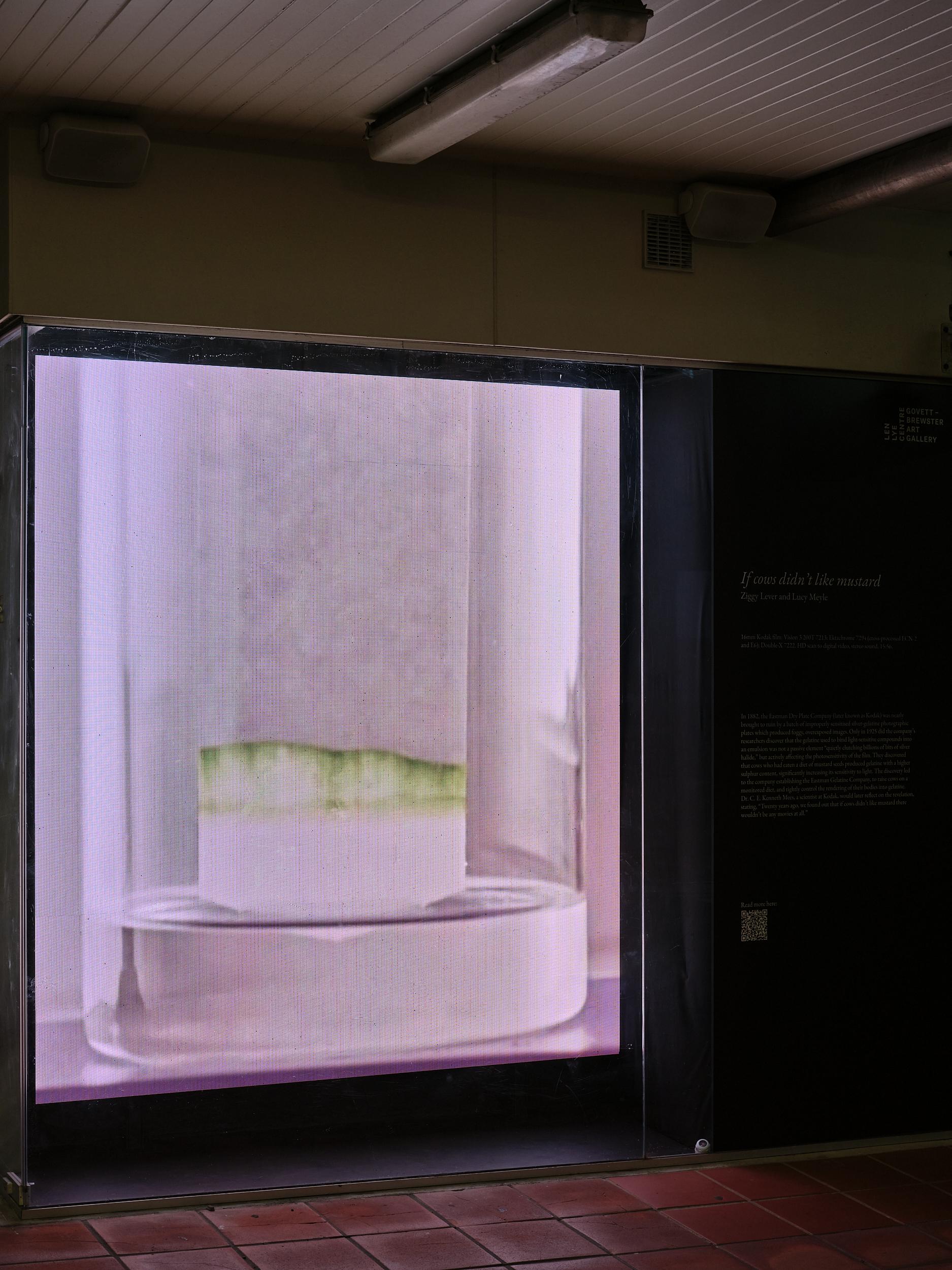
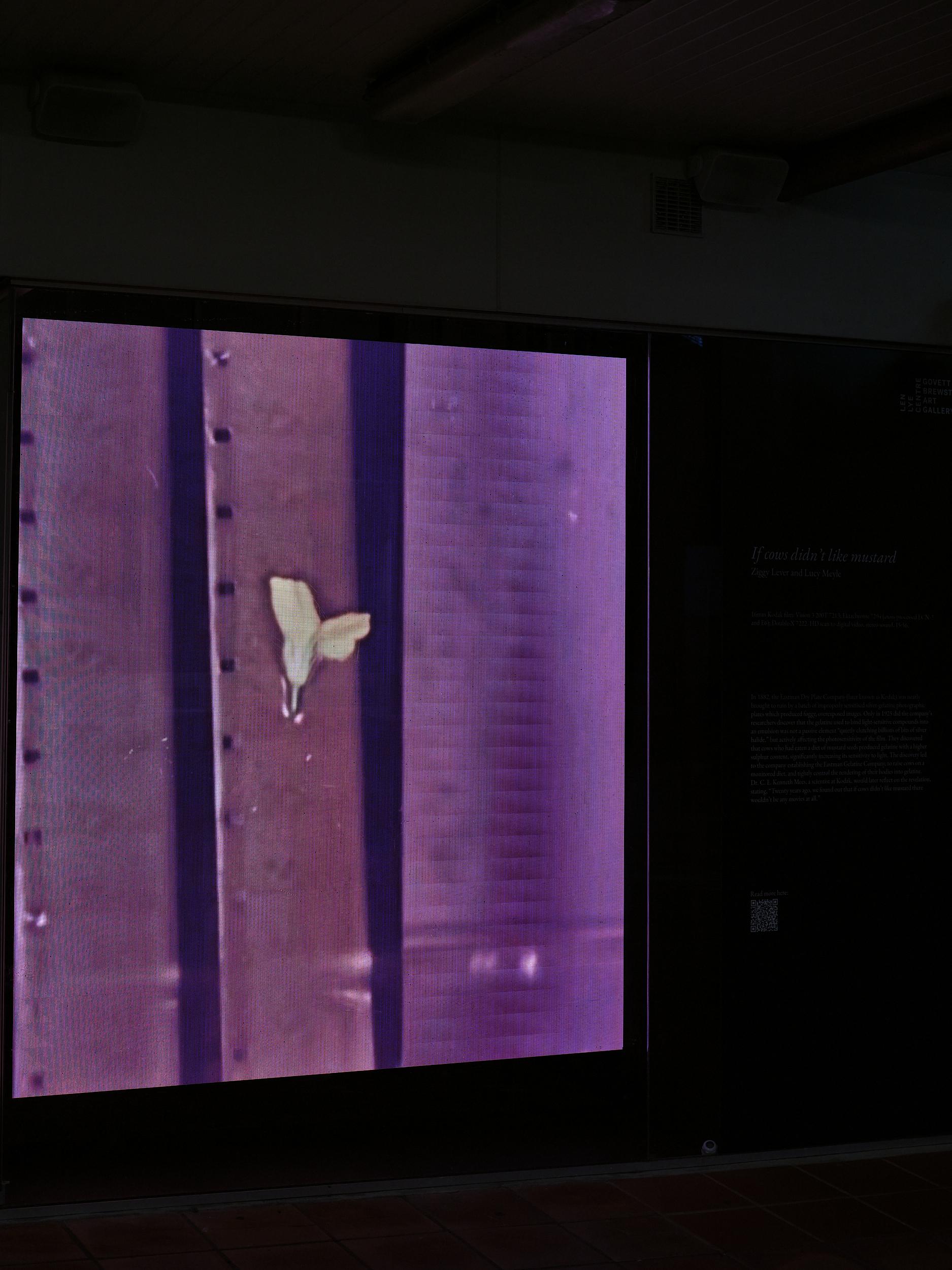
[28 February – 19 July 2026]
Govett Brewster Art Gallery, Ngāmotu New Plymouth
Collaboration with Lucy Meyle
Part of Pause, act, void, event curated by Taarati Taiaroa and Simon Gennard
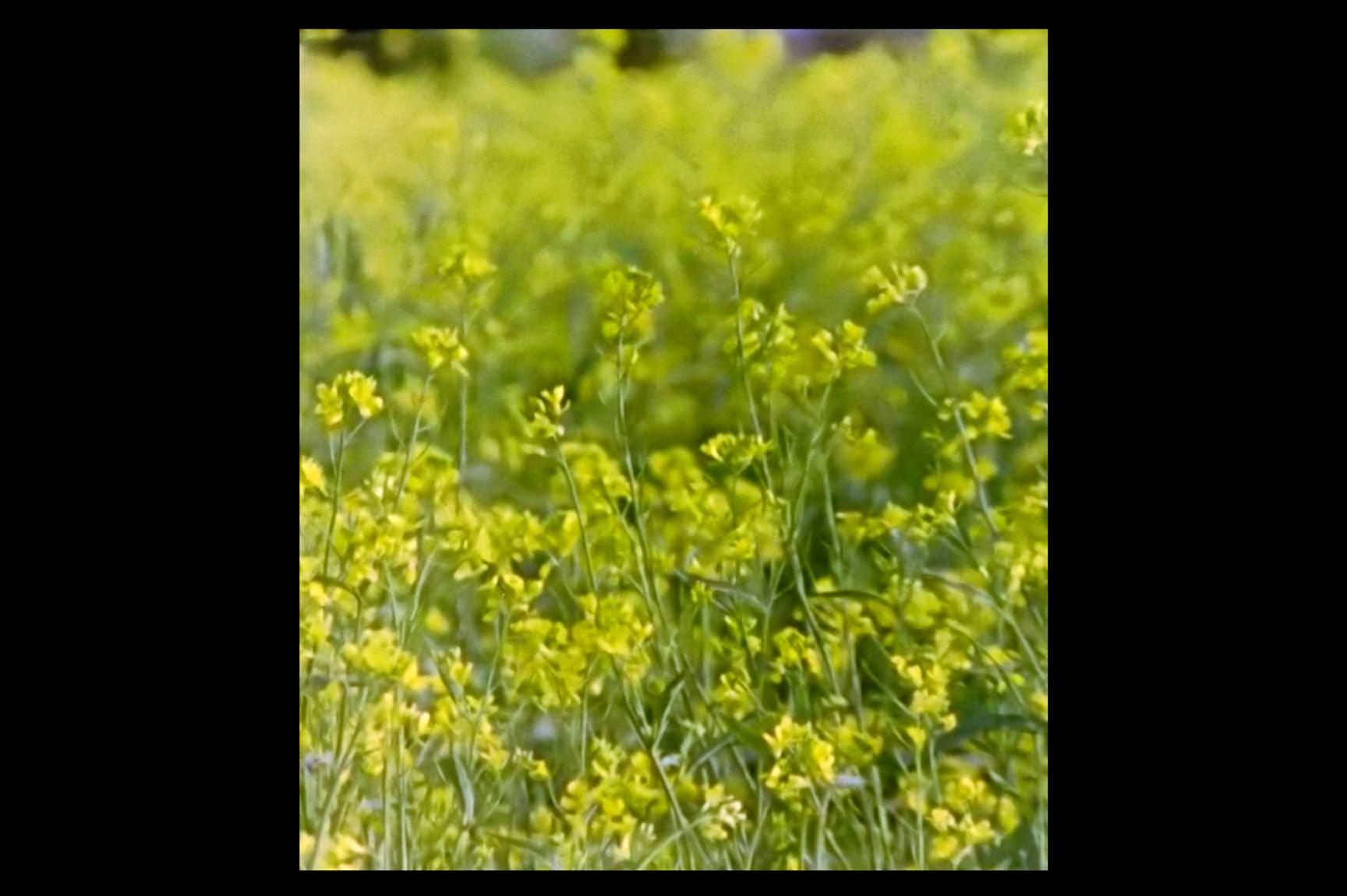
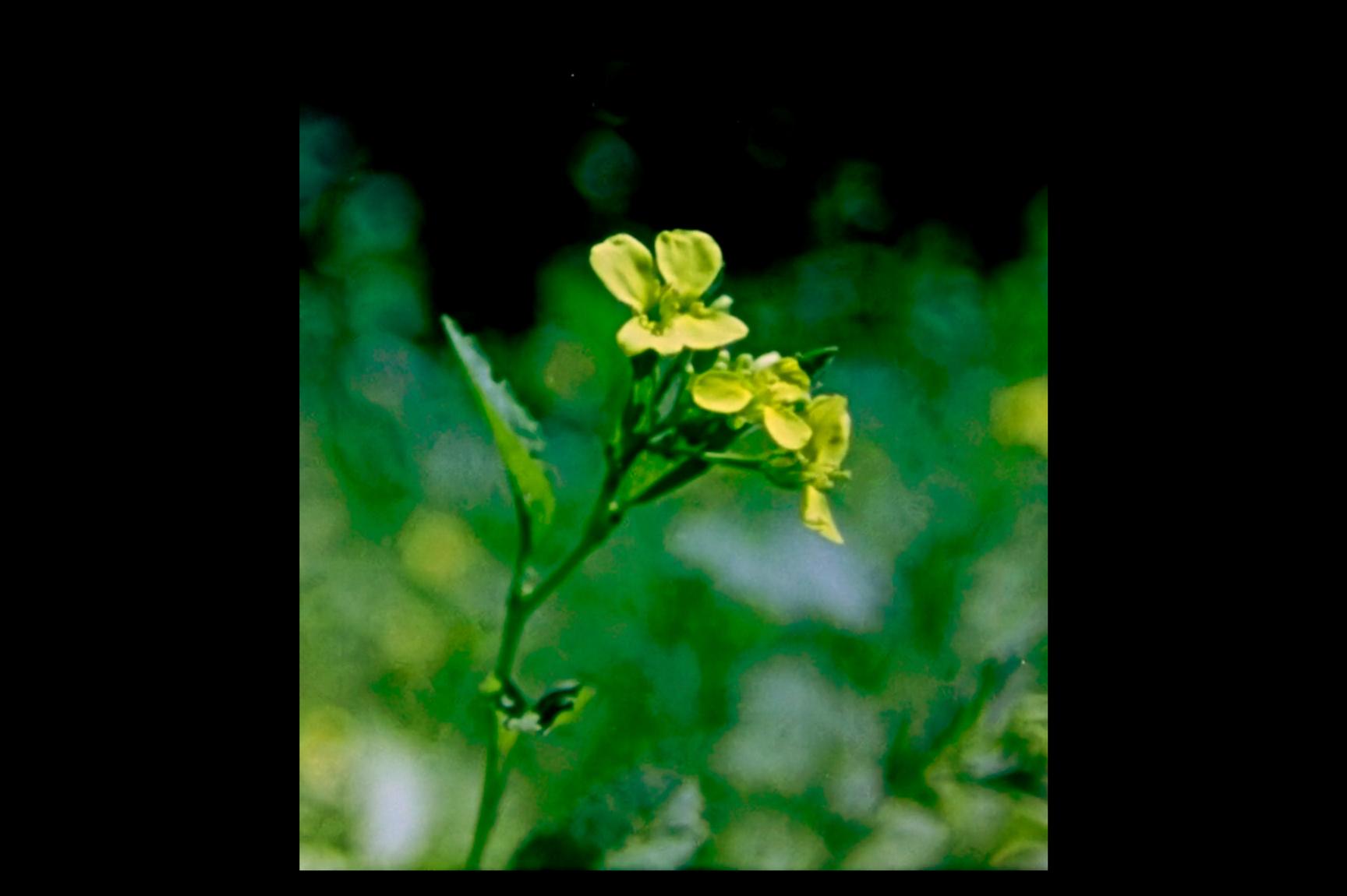
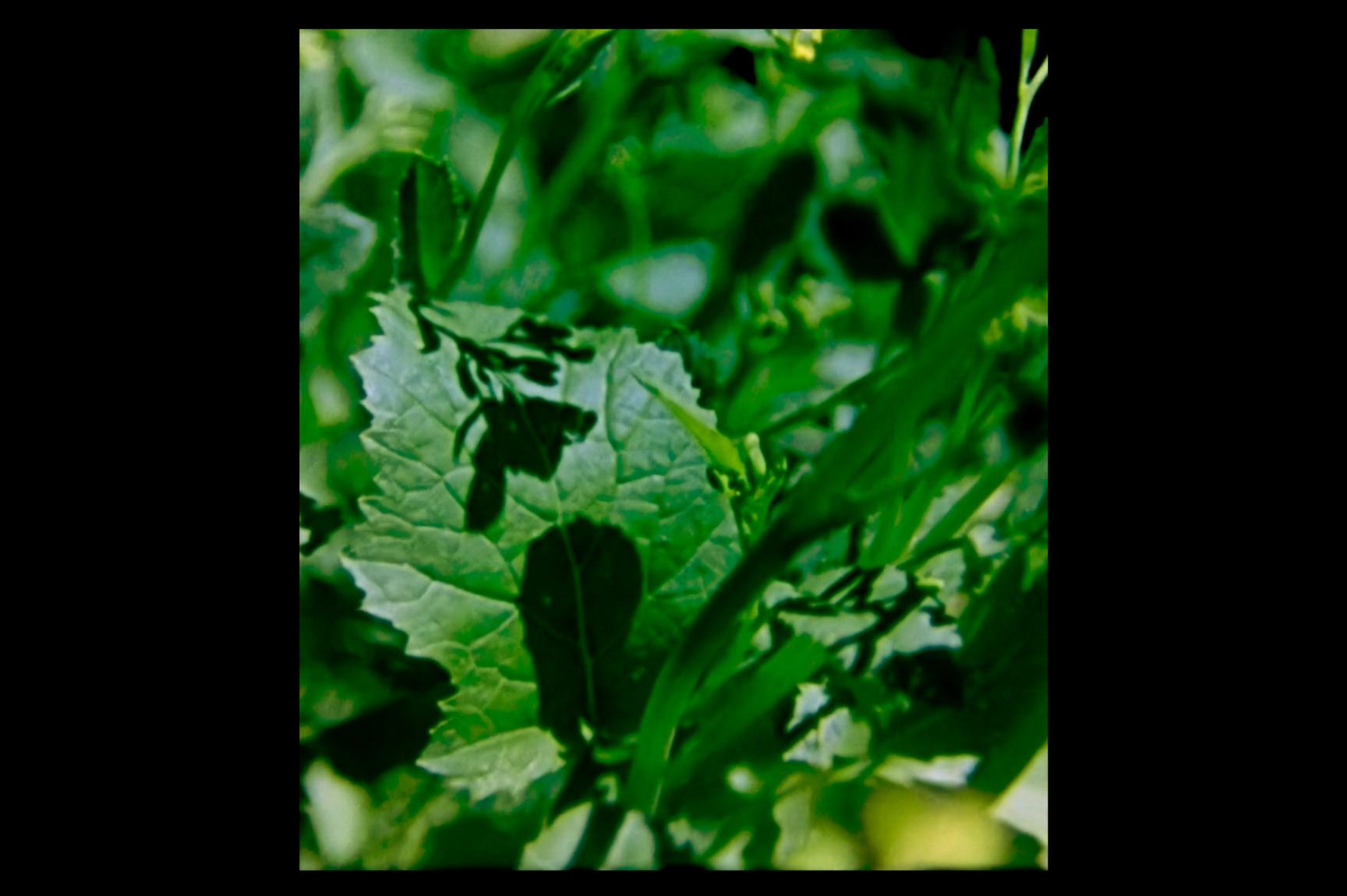
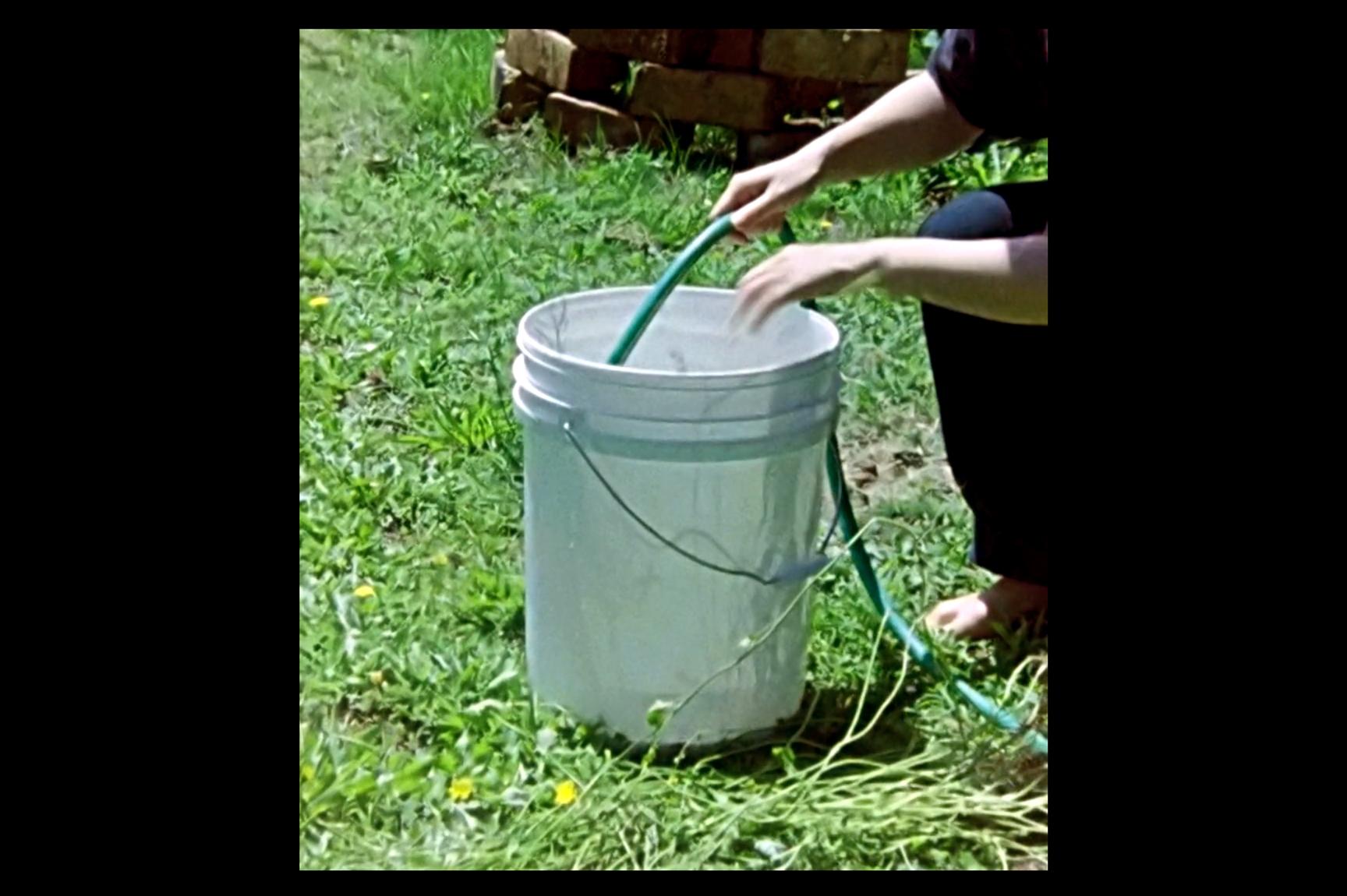
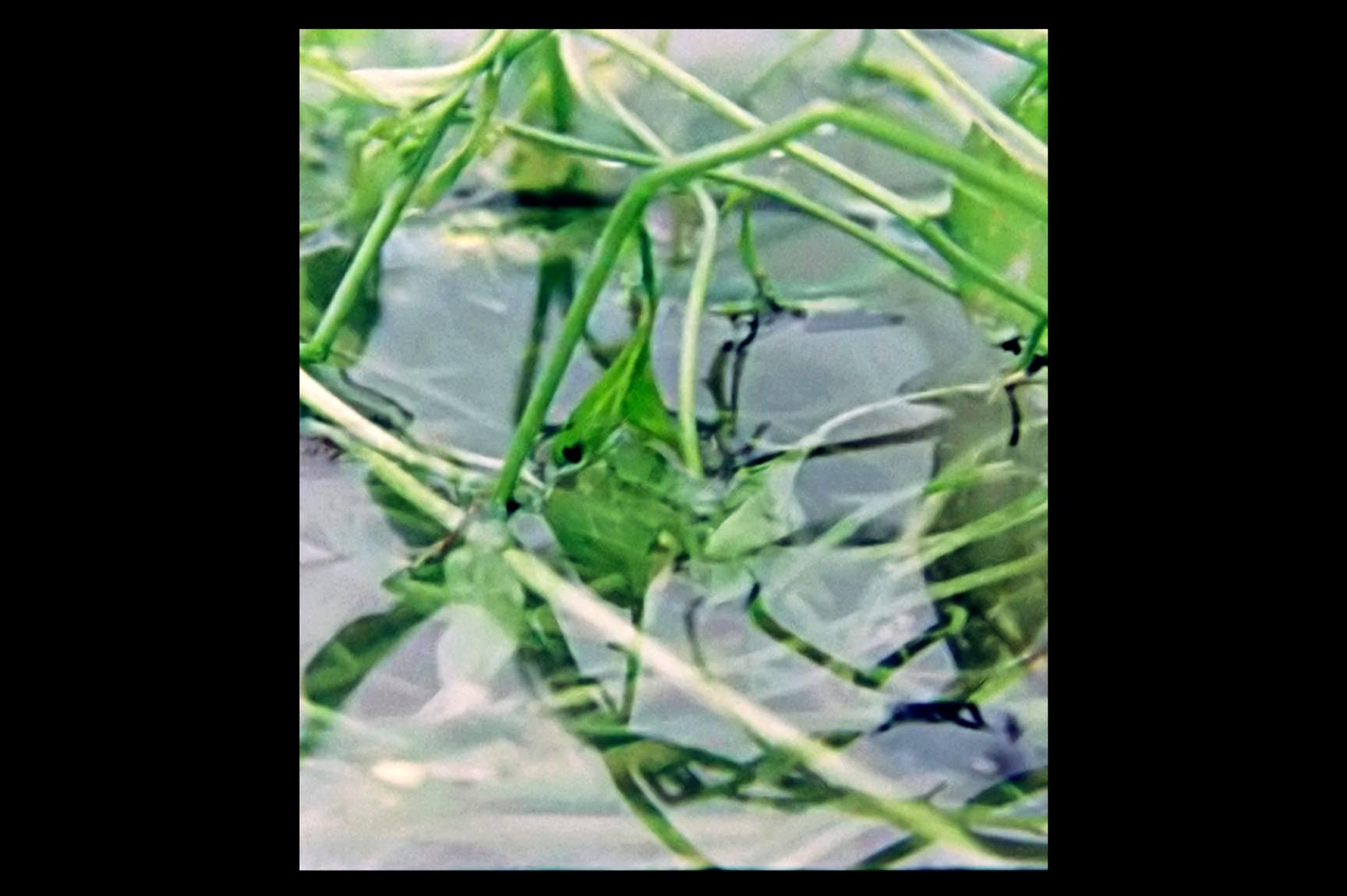
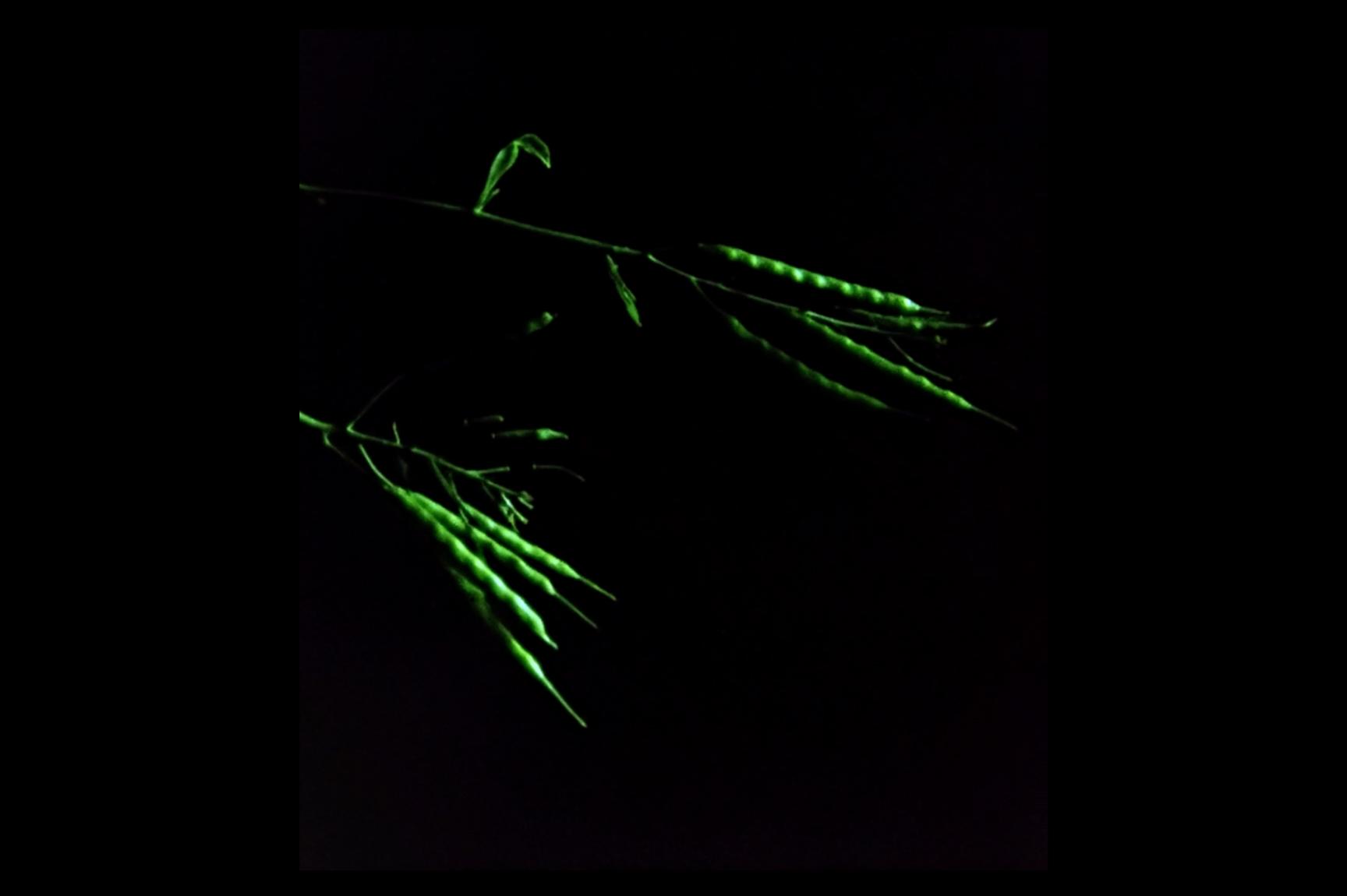
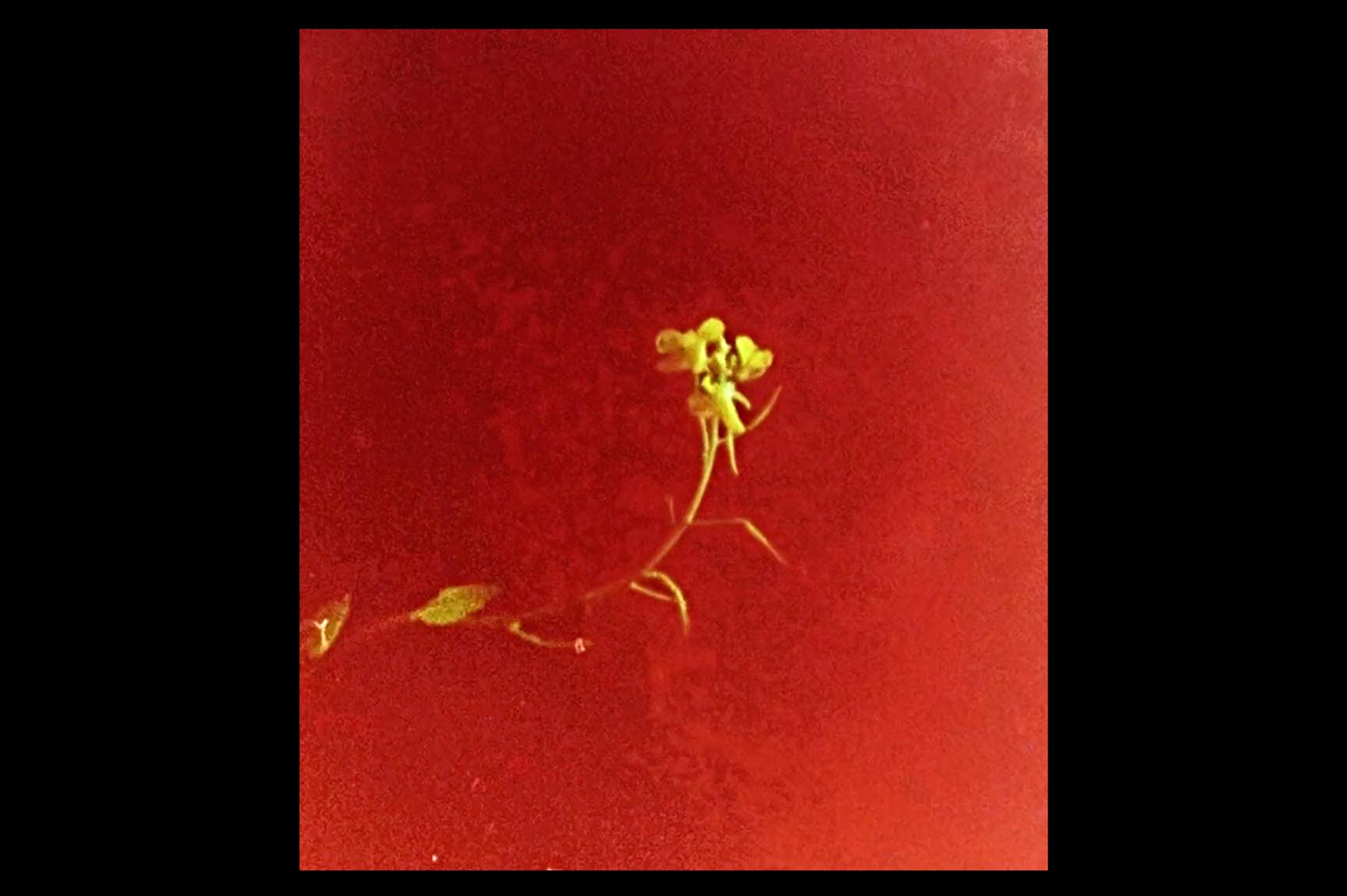
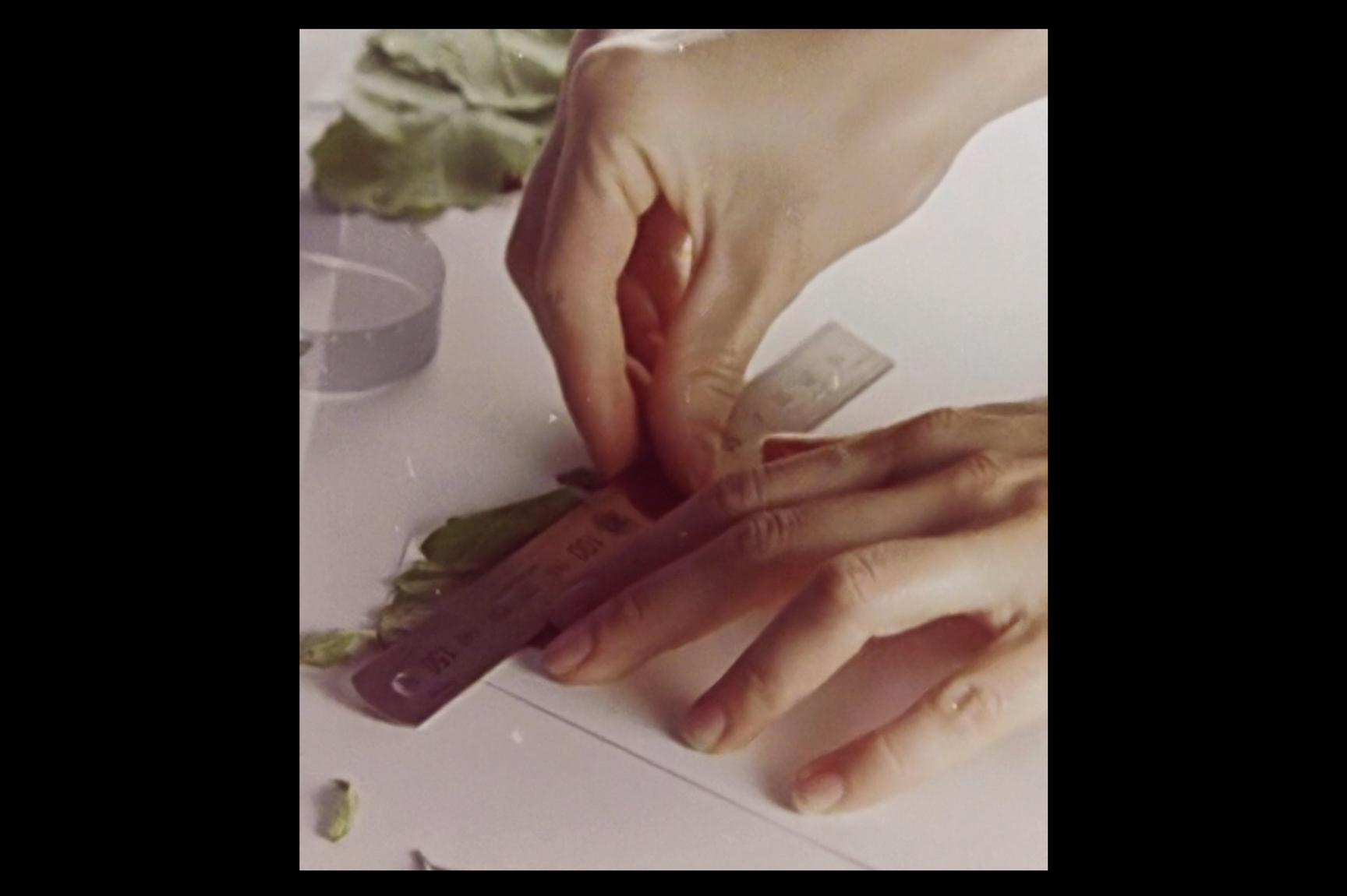
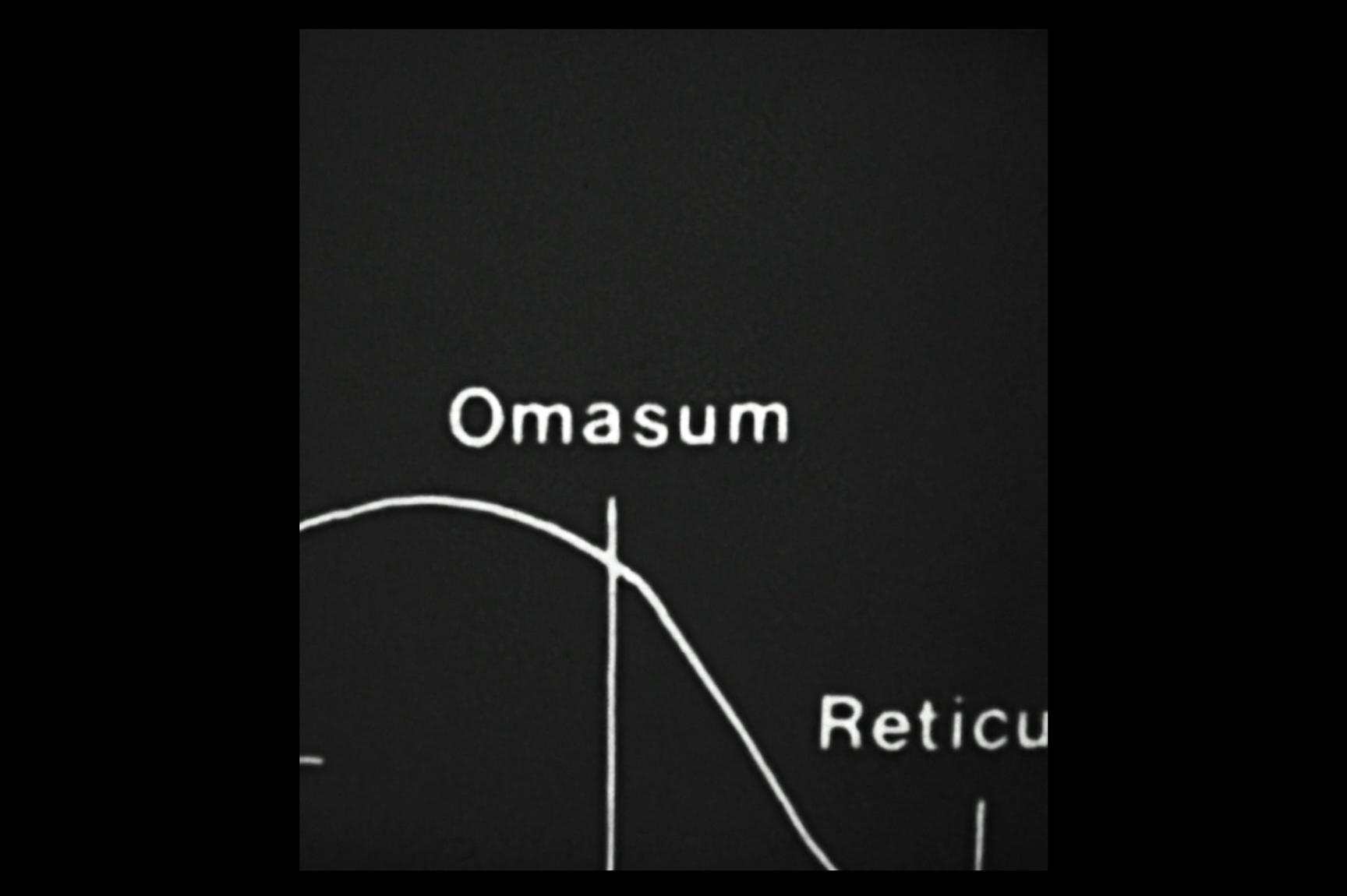
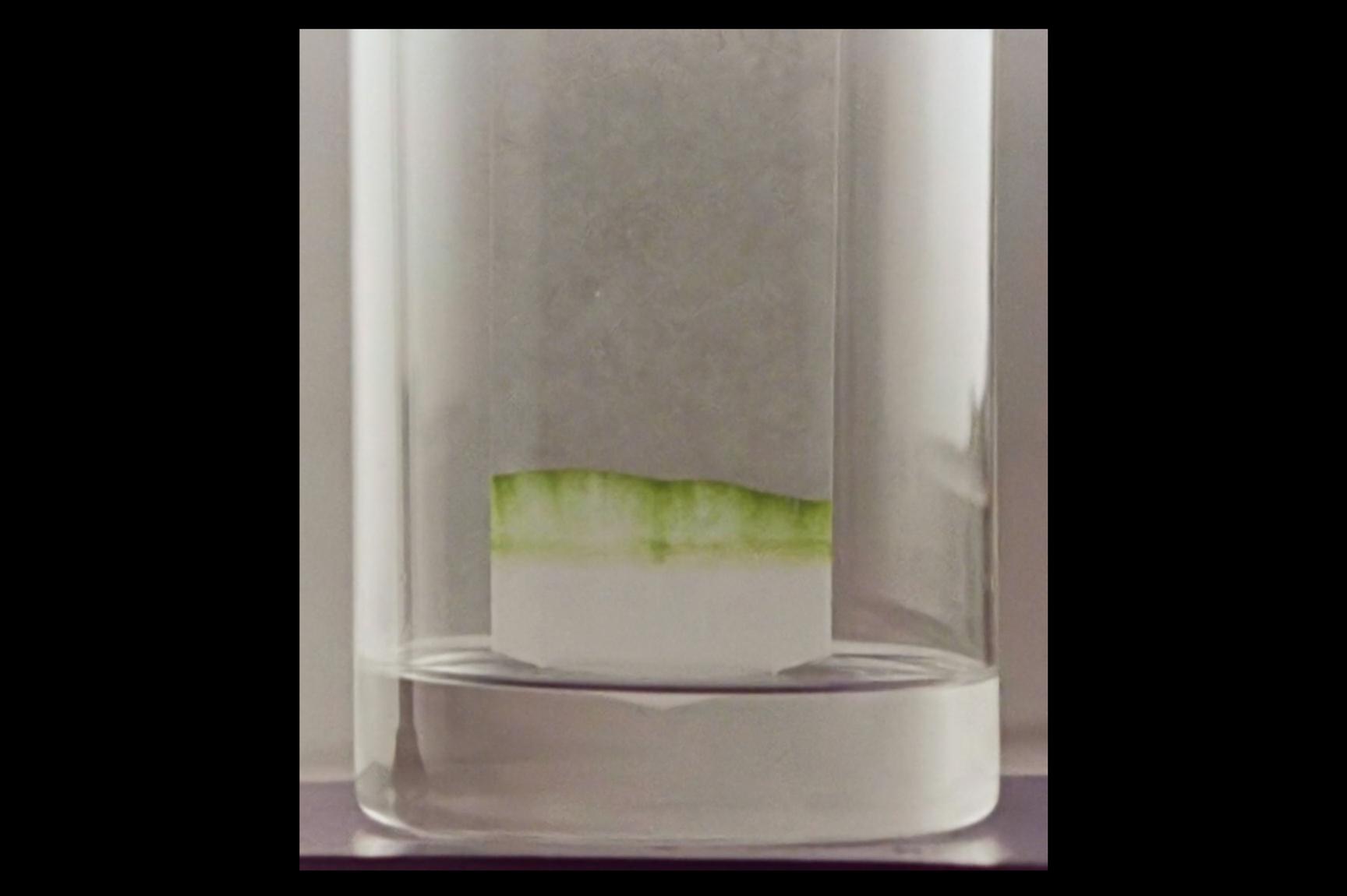
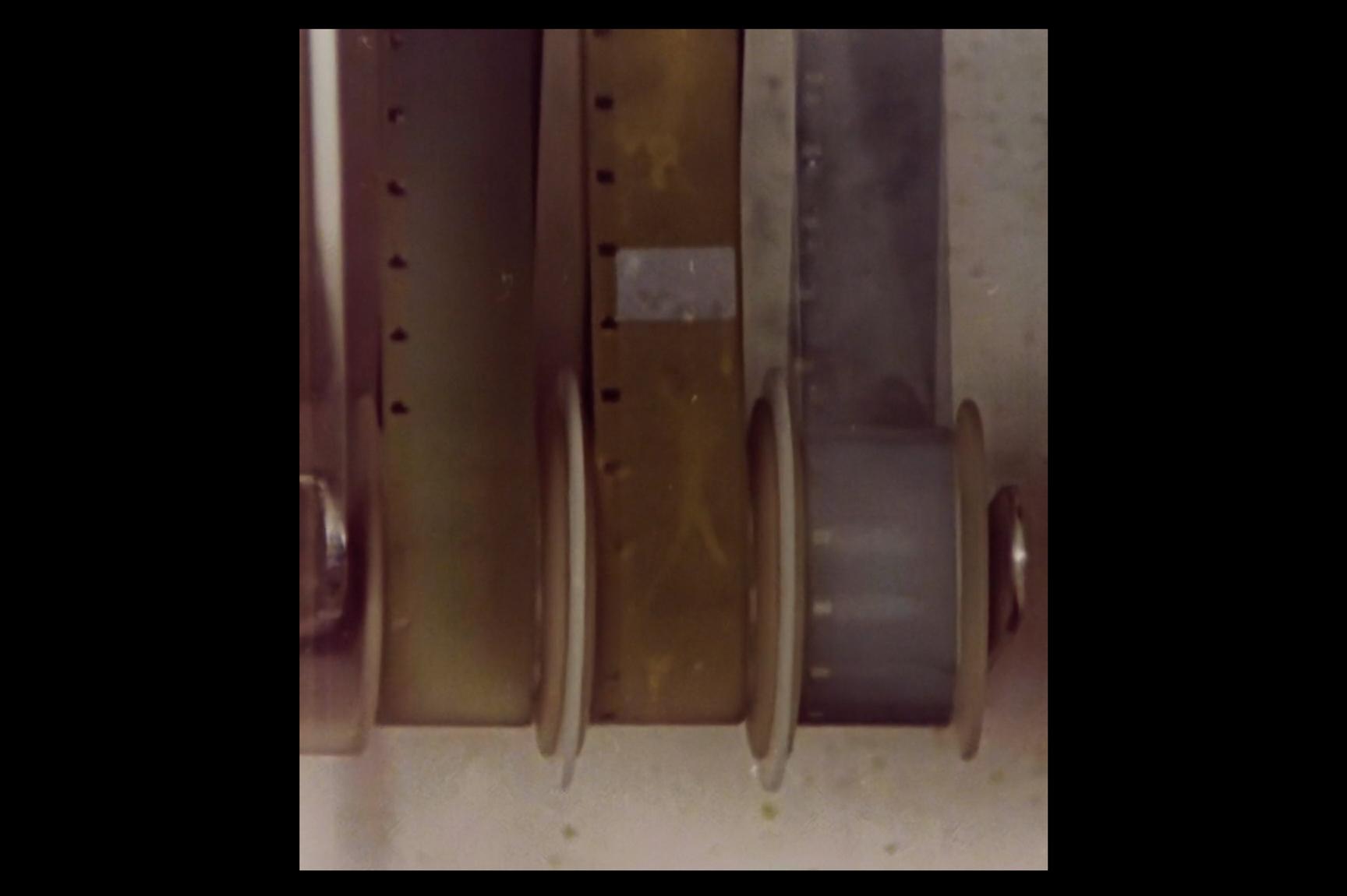
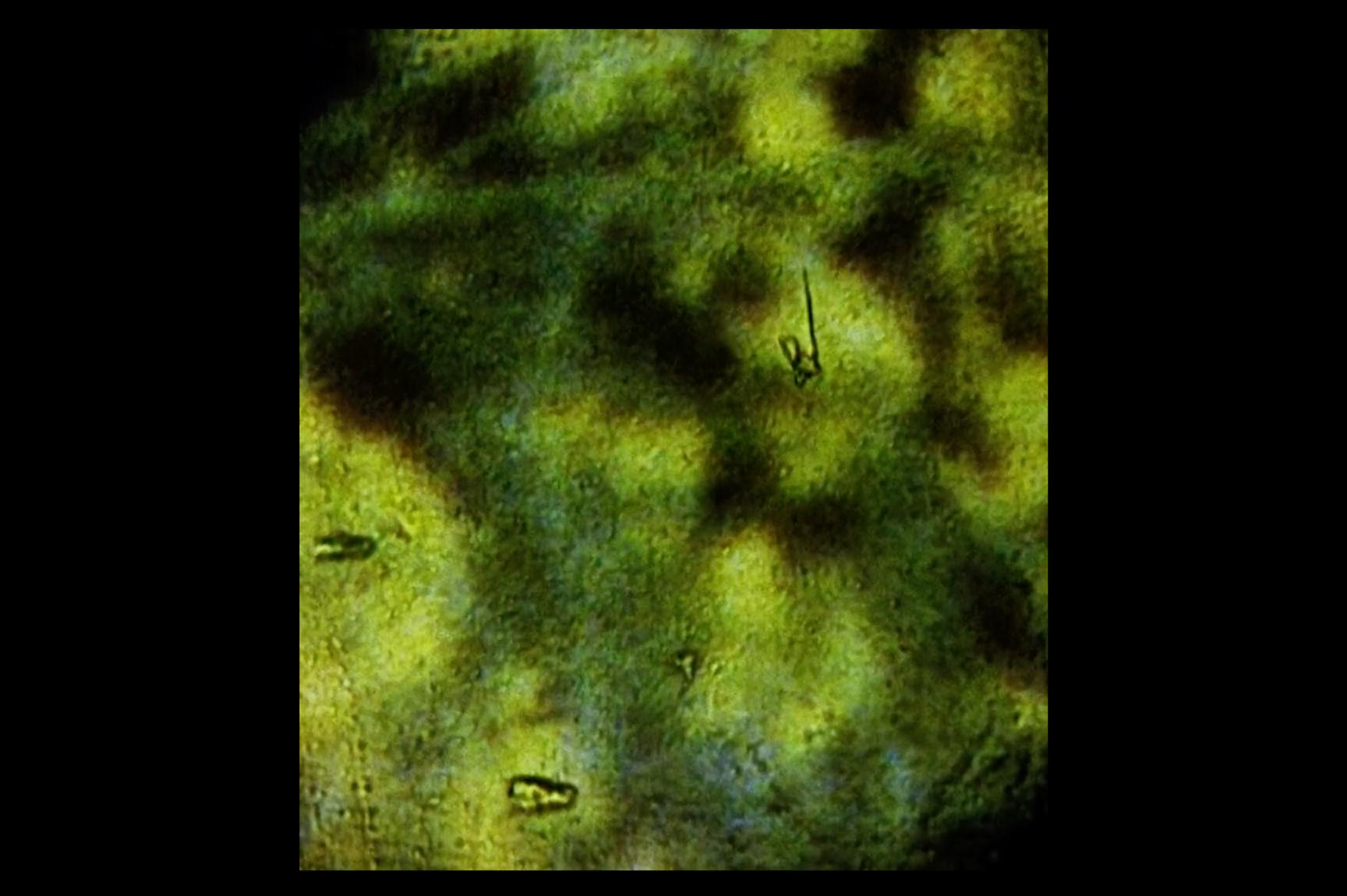
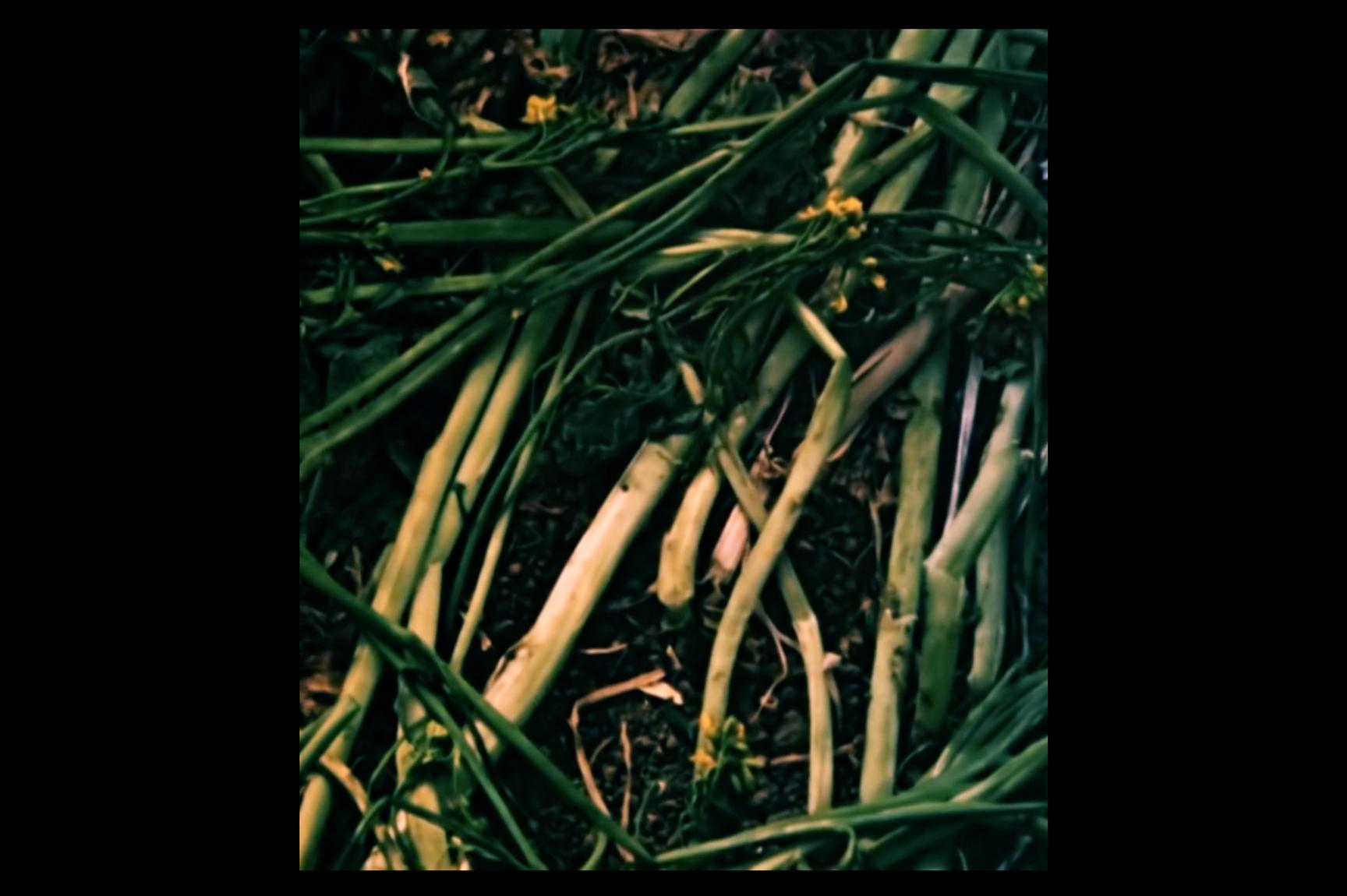
In 1882, the Eastman Dry Plate Company (later known as Kodak) was nearly brought to ruin by a batch of improperly sensitised silver-gelatine photographic plates which produced foggy, overexposed images. Only in 1925 did the company’s researchers discover that the gelatine used to bind light-sensitive compounds into an emulsion was not a passive element “quietly clutching billions of bits of silver halide”, but actively affecting the photosensitivity of the film. They discovered that cows who had eaten a diet of mustard seeds produced gelatine with a higher sulphur content, significantly increasing its sensitivity to light. The discovery led to the company establishing the Eastman Gelatine Company, to raise cows on a monitored diet, and tightly control the rendering of their bodies into gelatine. Dr. C. E. Kenneth Mees, a scientist at Kodak, would later reflect on the revelation, stating, “Twenty years ago, we found out that if cows didn’t like mustard there wouldn’t be any movies at all.”
If cows didn’t like mustard ephemera, including text by Simon Gennard (PDF)
Viewing link available on request.
Installation images courtesy Sam Hartnett
© Copyright Ziggy Lever